What to Expect When You Get Your Sewers Unclogged
The Moment Homeowners Realize They Have a Problem
You’re doing laundry or taking a shower when suddenly water starts to back up in your basement floor drain. The toilet bubbles ominously when the sink runs. Multiple drains around the house are slower than usual. These scenarios usually mean a blockage in the main sewer line. When that happens, homeowners often panic: What’s going on, and what will the plumber do when they arrive? This article explains exactly what happens during a professional sewer line cleaning, so you know what to expect and can call a professional with confidence.
Signs You May Have a Main Sewer Line Blockage
Look for these warning signs throughout your home. If you notice any of these symptoms, your main sewer line may be partially or fully blocked:
- Multiple slow drains at once. If more than one fixture (toilet, sink, shower) is draining slowly or bubbling, it’s usually not just a local clog. Slow drains in several places often indicate a main line obstruction[3].
- Gurgling or bubbling sounds. When you flush a toilet or run water, you might hear gurgling noises coming from another drain. This is air being pushed through the blockage.
- Backflow into basement drains. If sewage or gray water starts pooling in a basement floor drain or utility sink, the blockage is forcing water back up through the lowest drain.
- Sewage smells or standing water. Foul sewer odors coming from drains, or puddles of sewage near your sewer clean-out (an outside access point), confirm a main line clog[3].
If only one drain is slow (e.g., just the kitchen sink), the blockage is likely in that branch line. But multiple backups at once almost always mean the trunk of the system (the main sewer line) is clogged[3].
What Happens When a Professional Unclogs a Sewer Line?
When you call a professional sewer cleaning service, they sometimes access the sewer line through an existing cleanout or drain opening and use specialized equipment to remove the blockage. Technicians will often start by inspecting the sewer with a camera to pinpoint the clog’s location and severity. Once located, they use tools like a cable auger (“snake”) or a high-pressure hydro-jetting machine to clear the obstruction. The auger mechanically punches or cuts through roots and debris, while hydro-jetting blasts water at up to 4,000 PSI to cut through grease, sediment, and roots[4][5]. After the clog is cleared, the technician will test your drains to ensure wastewater flows freely and may recommend a follow-up camera inspection to check for hidden damage (cracks, collapsed sections, or new root intrusions). This process ensures your sewer line is thoroughly cleaned and safe[4].
What to Expect During a Sewer Cleaning Service
When you schedule a sewer cleaning, here’s the typical service process:
Arrival and Initial Assessment.
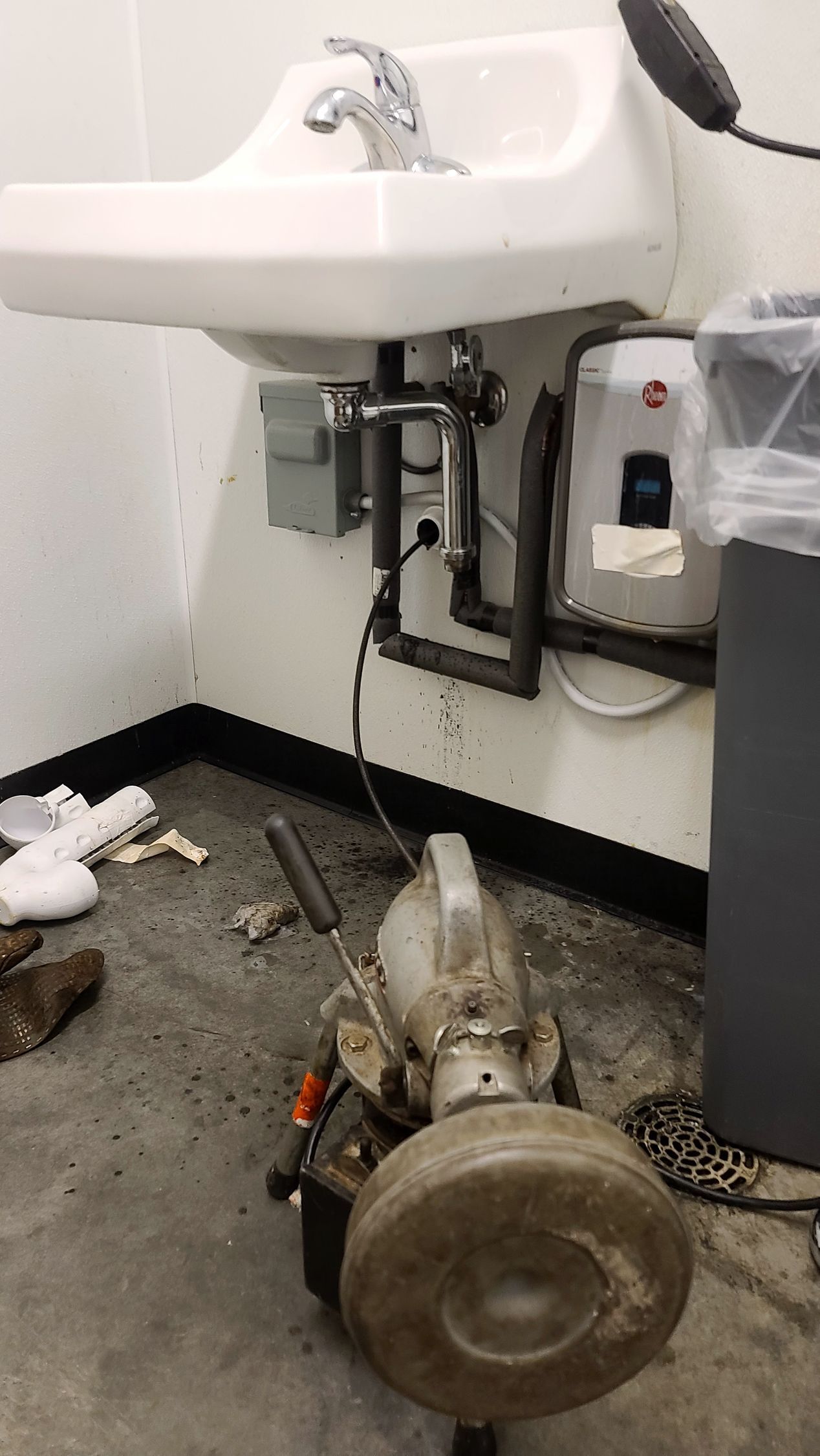
The technician will first ask you questions about which drains are affected and where you see problems. They’ll locate the main cleanout (an access point, usually a capped pipe outdoors or in the basement). If indoors, they may look under basement sinks or lift a toilet to reach the line. This helps them determine if the problem is in the branch pipe or main line.
Accessing the Sewer Line.
Using the cleanout or a drain, the plumber inserts equipment directly into the sewer pipe. This avoids any digging. Cleanouts are usually outside (covered by a round cap) or near the basement floor. If there’s no cleanout, they may remove a toilet or bathroom drain cover for entry. In all cases, disruption is minimal – they work inside your existing plumbing.
Clearing the Blockage.
Next, the technician uses the appropriate tool(s):
- Sewer Cable (Auger/Snake). A long, coiled metal cable is rotated down the pipe to cut and break up the clog. Special cutting blades on the cable can slice through tree roots and flushable wipe clogs. This method is very effective on solid obstructions, though it may leave residue behind[6][7].
- Hydro Jetting. A powerful water jet nozzle is sent into the pipe, spraying high-pressure water along the entire circumference of the pipe. This scrubs away grease, sludge, sand, and small roots, not just drilling a hole through them[4][6]. Hydro jetting can clean the whole pipe wall and often prevents future clogs by removing buildup.
- Pipe Descaling (if needed). For old cast-iron or metal pipes with mineral scale buildup, a rotating chain or descaling nozzle may be used. This grinds off years of mineral deposits (calcification) to restore full flow[5].
- The technician will alternate these methods as needed to fully open the line. This work can be noisy – you might hear the whirring of the cable or the roar of the jetter.
Testing the System.
Once they believe the clog is gone, the plumber will test the drains in question. They’ll run water in sinks, flush toilets, and watch the basement drain. Proper flow and no backups confirm success.
Optional Camera Inspection.
It’s common to perform a video camera inspection after cleaning. This small waterproof camera on a flexible rod travels down the sewer line, showing live video. It verifies that the pipe is fully clear and also checks for underlying issues like cracks, misalignments, or new root intrusions. Finding any hidden damage early can prevent future emergencies.
Clean-Up.
Finally, the technician will clean up any mess. They will rinse out any sewage in the cleanout pipe, sanitize tools, and make sure your drains work normally. The goal is to leave your home clean, with safe, flowing sewer lines.
Common Causes of Sewer Line Blockages
Understanding why clogs happen can help you prevent them. Common culprits include:
- Tree Root Intrusion. In older or clay tile pipes, roots easily penetrate tiny cracks or joints and grow inside the pipe, forming thick mats that block flow.
- Grease and Fat Build-Up. Pouring cooking grease or fat down drains causes it to cool and harden inside pipes, catching debris over time.
- Flushable Wipes and Debris. Items marketed “flushable” (baby wipes, hygiene products) do not break down quickly and can jam pipes, especially where the line has a partial clog already.
- Pipe Collapse or Bellies. Old clay, cast iron, or PVC pipes can crack or separate. Soil shifting (especially in our freeze–thaw climate) can create low spots (“bellies”) that trap solids. These damaged sections are recurring clog points.
Often, a combination of factors is at play (for example, grease narrowing a pipe, then tree roots taking hold in the residue). The camera inspection stage helps identify exactly which cause(s) are affecting your system.
Common Sewer Problems in Northwest Iowa Homes
Local conditions make sewer issues in Northwest Iowa somewhat unique. Many homes here have aging clay tile sewer pipes, which were common in mid-20th-century construction. Clay tiles are prone to developing cracks or loose joints over time. The region’s clay and silty soils support lots of trees, whose roots seek water and invade sewer lines through these cracks. Freeze–thaw cycles in Iowa winters can shift the ground and place stress on older pipes, creating offsets or gaps.
As a result, tree roots are a frequent culprit in this area – they latch onto small leaks and gradually fill the pipe (especially in older, unlined mains). Clay tiles also accumulate mineral scale over decades. In municipalities, line movement from seasonal temperature changes can exacerbate blockages by slightly misaligning pipe sections. In short, older infrastructure and Iowa’s climate mean blockages often involve roots and aging pipe problems. Homeowners with older systems may benefit from periodic inspections or cleaning even before problems start, due to these local factors.
How to Prevent Future Sewer Blockages
A few simple precautions can help keep your sewer flowing:
- Don’t flush wipes or paper products. Only toilet paper and human waste belong in the sewer. Wipes (even “flushable” ones), paper towels, cotton swabs, and feminine products should be thrown away, not flushed.
- Limit grease down the drain. Pour cooking fats and oils into a jar and throw it away once solidified. Grease builds up inside pipes and hardens, trapping other waste.
- Avoid planting trees near the sewer line. If possible, do not plant water-seeking trees (willows, poplars, elms) near your sewer or drain fields. Tree roots can travel many feet in search of water.
- Regular maintenance. If your home is older, consider scheduling professional sewer cleaning or camera inspections every 2–3 years, or when buying/selling a home. Preventive cleaning (jetting) removes developing grease and small roots before they cause a backup.
- Watch for early warning signs. Never ignore slow drains or gurgling sounds. Catching problems early often means a quick fix instead of a full backup.
Frequently Asked Questions About Sewer Cleaning
How long does sewer cleaning usually take?
Most routine sewer cleanings are completed within 1–2 hours, depending on the clog’s severity and the length of pipe. Simple blockages (soap, light - grease, or a small wipe clog) can often be cleared in under an hour. Tougher jobs with tree roots, heavy grease, or long line runs may take longer. Technicians need time to set up, clear the clog, and then test the line to ensure it’s truly open.
Will sewer cleaning damage my pipes?
When performed by trained professionals, sewer cleaning is safe for your pipes. Modern equipment (augers, hydro-jetters) is designed to remove blockages without harming the pipe[8]. For example, hydro-jetting uses only water at high pressure; it dissolves grease and cuts roots but does not erode the pipe material when used correctly[8][4]. Technicians inspect your pipe condition and will avoid high-pressure cleaning on severely corroded pipes. If heavy damage is found, they may recommend pipe repair or lining instead of just cleaning.
Do plumbers have to dig to unclog a sewer line?
Generally, no. Most sewer clogs can be cleared without any digging. Plumbers typically use existing access points (cleanouts or drains) to insert tools down the pipe. A high-pressure hydro-jetter or cable auger works from inside the line, so no excavation is needed. According to industry sources, sewer camera inspections and cleaning provide a “visual diagnosis without the need for invasive digging”[1]. Only in rare cases—such as a collapsed pipe or if a cleanout is inaccessible—would digging or excavation be required to fix the problem.
How do professionals find blockages without digging?
They often perform a sewer camera inspection. A waterproof camera is sent through the line, giving plumbers a live video feed of the pipe’s interior. This lets them pinpoint the clog’s exact location and see its cause (root, grease, collapse) without any digging. This accurate, noninvasive diagnosis saves time and prevents unnecessary yard repair after the job[1]. Once the blockage is located, they use the appropriate tool (auger, jet, etc.) to clear it at that spot.
Conclusion
Sewer backups are a serious but common issue. The key is to act quickly when you notice symptoms (slow drains, gurgling, water in the basement). A professional sewer cleaning service will systematically inspect your line, clear the blockage with appropriate equipment (cable or hydro-jetting), and verify that your drains flow again. Most jobs can be handled on the first visit with no digging required.
If you’re experiencing repeated clogs or any of the warning signs mentioned above, it’s wise to have your sewer line checked and cleaned. Early intervention can save you from a messy, costly emergency. Remember, routine inspections and maintenance can prevent most backups and protect your home.
For sewer line cleaning or inspection in Northwest Iowa, call (712) 262-5687 and schedule an appointment today or visit our website G.W. Pete Howe Sanitation. Our experienced technicians will quickly clear any blockage and restore your plumbing.
Share On: